

Table of Contents
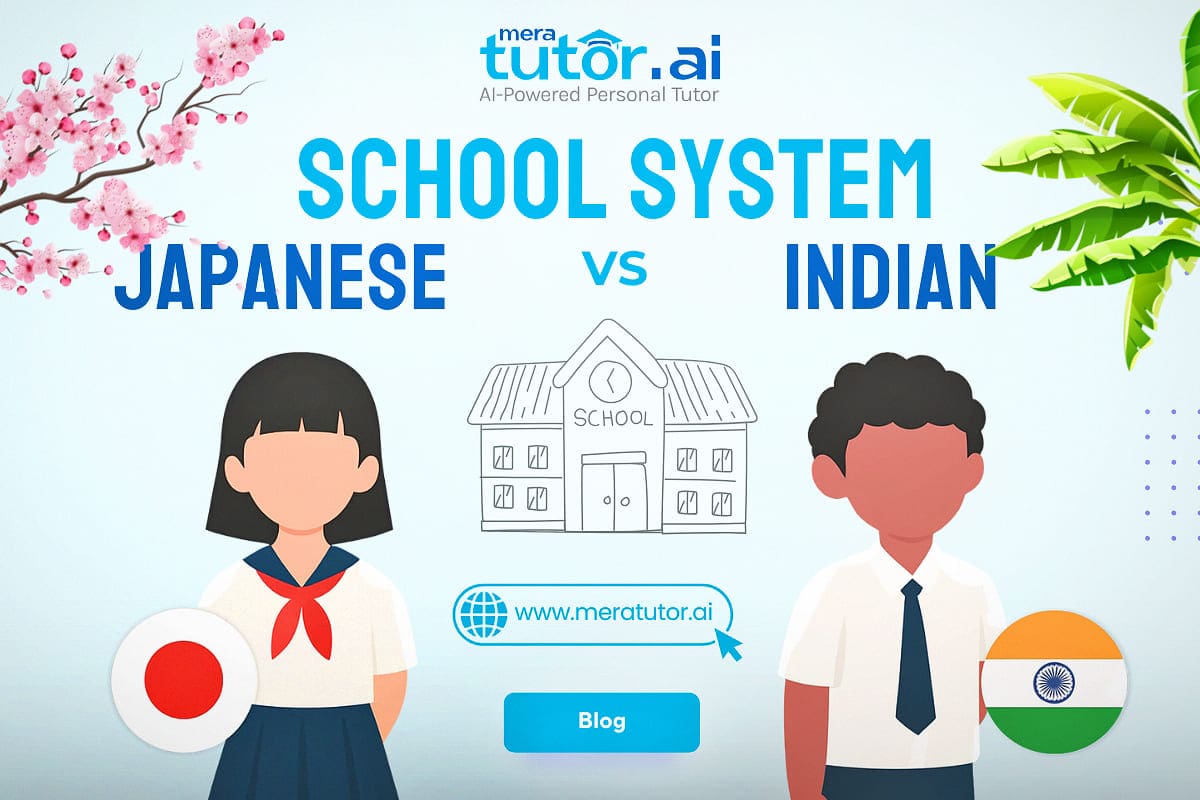
Spend time with Japanese people – whether in classrooms, offices, or public spaces – and one trait stands out almost instantly: their remarkable social grace. Foreigners often comment on how polite, cooperative, and emotionally attuned Japanese individuals seem to be. It’s not just cultural – it’s cultivated.
Behind this widespread social intelligence is a deeply intentional education system. In Japan, schools do more than prepare students for exams; they nurture values like empathy, humility, teamwork, and respect from an early age. Through a mix of academic rigor and moral training, Japanese children grow into socially aware adults who excel not just individually, but as members of a collective.
In contrast, India’s education system, while exceptional in academic intensity, places less formal emphasis on social-emotional development. The result? Two nations producing equally capable individuals – but with very different core strengths.
Let’s dive into how Indian and Japanese education system work, and what their school systems reveal about the broader values they instill in the next generation. Also, we will see how powerful AI tools like MeraTutor.AI are transforming education in India.
Japanese Schooling: Social Harmony by Design
Japan’s education system isn’t just about academics – it’s a carefully crafted social ecosystem. From the first day of elementary school, children are immersed in practices that prioritize harmony, mutual respect, and community responsibility. Here’s how it works:

1. Group First, Individual Second (Wa)
In Japanese schools, “wa” – the concept of group harmony – is more than a cultural ideal; it’s a daily practice. Students are taught early that the success of the group matters more than individual accolades.
From rotating classroom duties to working on group projects, children learn to collaborate, compromise, and manage interpersonal conflict without adult intervention. This early exposure to cooperative dynamics builds empathy and instills a deep sense of belonging and consideration for others – traits that often surprise and impress visitors from more individualistic cultures.
Outcome: Empathy, collaboration, and social consideration.
2. Moral Education (Dōtoku)
Unlike many countries where moral instruction is left to families or religious settings, Japan integrates it directly into the curriculum. “Dōtoku” is a formal subject, taught weekly, focusing on values such as honesty, perseverance, gratitude, and respect.
These lessons aren’t just theoretical; they use real-life scenarios, age-appropriate stories, and open discussions to help students internalize ethical principles. The consistent reinforcement across school life means children grow up with a shared moral vocabulary and behavioral expectations.
Outcome: Consistent ethical behavior across settings.
3. Practical Responsibility
Walk into a Japanese school and you won’t find a janitor. Why? Because students clean their classrooms, hallways, and even the toilets themselves. They also serve lunch to classmates, care for class plants or pets, and take turns leading morning routines.
This hands-on model doesn’t just keep the school clear – it teaches children to respect their environment, understand the dignity of labor, and feel responsible for shared spaces. These habits translate into public behavior that’s notably conscientious.
Outcome: Respect for community spaces and personal accountability.
4. Uniform Culture and Visible Equality
Uniforms are standards in most Japanese schools, but the uniformity goes beyond clothing. Lunches are usually the same for everyone, and even academic assessments often emphasize group achievement over individual performance.
By minimizing visible markers of social or economic difference, this system reduces peer pressure and fosters a sense of equality. Students are encouraged to relate to each other as equals, which helps build inclusive, status-neutral relationships.
Outcome: Egalitarian interactions, reduced peer judgment.
5. Extracurricular Immersion (Bukatsu)
After-school clubs, or “bukatsu,” are not optional extras in Japan – they’re a cornerstone of student life. Whether it’s sports, music, or cultural activities, students often commit to clubs for years, showing up for daily practice and weekend tournaments.
The structure is hierarchical: juniors (kohai) respect and learn from seniors (senpai), while seniors are expected to mentor and model discipline. This setup nurtures loyalty, perseverance, and mutual responsibility, often creating lifelong bonds.
Outcome: Loyalty, perseverance, and intergenerational respect.
6. Respect for Rules and Rituals
Japanese school life is structured around daily rituals – from bowing at the start of class to greeting teachers and peers with consistent politeness. Punctuality is non-negotiable, and students are expected to follow rules not just out of obligation, but as a reflection of social awareness.
These seemingly small practices cultivate a deep-seated respect for order and community norms. It’s no wonder Japanese people are often described as polite and courteous wherever they go.
Outcome: Polite, respectful public behavior.
7. Non-Verbal Communication and Social Sensitivity
Perhaps one of the most nuanced aspects of Japanese schooling is the focus on non-verbal social skills. Students are taught to be attentive to others’ emotions, read the atmosphere (“kuuki wo yomu”), and adjust their behavior accordingly.
This high-context form of communication emphasizes subtlety, listening, and anticipation – traits that may be hard for outsiders to pick up, but are deeply ingrained in Japanese interpersonal behavior.
Outcome: High-context social intelligence.
Indian Schooling: Academic Excellence, Less Social Structuring
India’s education system is globally known for producing high achievers in engineering, medicine, finance, and technology. The academic rigor is undeniable. However, this strength often comes at the cost of structured social and emotional development. Let’s take a closer look at what defines Indian schooling – and where it differs from the Japanese model.

1. Academics First
From the earliest grades, Indian students are conditional to prioritize marks, rankings, and board exam results. Academic excellence is the primary goal, and teaching methods, parental expectations, and school infrastructure all reinforce this singular focus.
Group work, collaborative learning, and social-emotional education often take a back seat. While this produces individuals with sharp analytical skills and strong competitive instincts, it can also create environments that lack emotional balance or peer support.
Outcome: Strong academic performance, a competitive mindset.
2. Limited Moral Education
Most Indian schools include a subject called “moral science,” but its influence is minimal. These classes are typically theoretical, textbook-based, and scheduled infrequently. Real-life application of ethical concepts – such as empathy, respect, or integrity – is rarely emphasized through school-wide practices or cultural rituals.
As a result, character development is largely outsourced to families or religious teachings, leading to inconsistent value systems among students from different backgrounds.
Outcome: Inconsistent development of social ethics.
3. Outsourced Responsibility
Unlike Japan, Indian students are not expected to take part in cleaning, food service, or classroom maintenance. Dedicated staff handle these roles, and students seldom participate in managing their environment.
While this maintains cleanliness and order, it also removes opportunities for children to develop humility, take ownership of shared spaces, or learn about the dignity of labor. These tasks, although simple, can foster maturity and empathy – qualities often underdeveloped in academically driven settings.
Outcome: Missed opportunities for cultivating humility and ownership.
4. Visible Hierarchies and Status Signals
Even in schools that enforce uniforms, socioeconomic differences are highly visible. Branded gadgets, access to private coaching, extracurricular exposure, and even fluency in English serve as status markers. Students are quick to pick up these distinctions, often leading to cliques, peer pressure, or feelings of inadequacy.
In a system so focused on performance, comparison becomes constant – not just in academics, but in lifestyle. This dynamic can foster competition, but also social tension and anxiety.
Outcome: Social tension, status anxiety, and class-based interactions.
5. Secondary Extracurricular Culture
Sports, music, and cultural activities do exist in Indian schools, but they are often seen as optional or secondary to academic pursuits. Many schools lack resources or structured programs to develop these areas seriously.
Mentorship systems – like senior students guiding juniors – are uncommon, and discipline in extracurricular spaces tends to be loosely enforced. As a result, students may miss out on learning key soft skills like teamwork, perseverance, and leadership in non-academic settings.
Outcome: Uneven soft skill development and limited teamwork training.
Cultural Takeaway: Why Foreigners Notice the Difference
When foreigners interact with Japanese and Indian professionals, students, or tourists, certain behavioral patterns often stand out – and much of this can be traced back to how each country structures its schooling.

Japanese Graduates: Shaped by Social-Emotional Schooling
Politeness, punctuality, humility, and group-mindedness are qualities that seem almost second nature to many Japanese individuals. That’s because these traits are not accidental – they are intentionally cultivated through years of schooling that prioritize social harmony over personal competition.
Japanese students grow up cleaning their classrooms, resolving peer disputes diplomatically, and following structured rituals that embed respect and discipline into everyday life. By the time they enter the workforce or interact on the global stage, their emotional intelligence and group-first mindset make a lasting impression.
Why Foreigners Notice – Japanese people often come across as incredibly considerate, reliable and respectful – traits honed by an education system that treats character development as core curriculum.
Indian Graduates: Forged by Academic Rigor and Competition
In contrast, Indian schooling places a premium on academic success. From competitive entrance exams to high-pressure board assessments, students are trained to perform, outshine, and think critically from an early age.
This environment fosters ambition, resilience, and strong verbal expression – all vital traits in entrepreneurship, leadership, and innovation. However, because structured social-emotional learning is less prioritized, soft skills like teamwork, empathy, or collaborative leadership often depend on individual experiences rather than systemic cultivation.
Why Foreigners Notice – Indian individuals are often perceived as smart, articulate, and ambitious – shaped by an education system that rewards self-drive and intellectual achievement.
Two Cultures, Two Strengths
Neither system is inherently better – they’re simply designed with different goals in mind. Japan emphasizes social cohesion and harmony, while India drives personal excellence and intellectual output. Both produce highly capable individuals, but with different core strengths.
The key insight? Education doesn’t just prepare students for tests – it shapes how they function in society. And when people from different countries cross paths, these differences in schooling become vividly clear.
Bridging the Gap with AI Learning Tools
As education systems around the world evolve, there’s growing recognition that students need more than just good grades – they need emotional intelligence, collaboration skills, and a sense of social responsibility. This is where AI-powered learning platforms like MeraTutor.AI come into play.
Academic Rigor Meets Emotional Intelligence
Indian schooling has long been a powerhouse of academic excellence. But as global workplaces demand more team players, communicators, and empathetic leaders, the need for structured social-emotional learning becomes clear.
Japanese schools offer a blueprint – one where students are taught how to be thoughtful citizens, not just high scorers. With AI, it’s now possible to bring these lessons into every Indian student’s daily learning experience.
What MeraTutor.AI Offers
The Perfect Smart Study Companion for Students
1. PDF-Based Smart Learning
Upload textbooks, notes, and assignments in PDF format. Navigate, zoom, and study multiple files in one clean interface – all at your own pace.
2. AI Chat & Snipping Tool
Select any section of a PDF and send it to the AI chatbot for instant corrections, summaries, or deep-dive explanations – perfect for tackling tricky concepts.
3. Coach Mode (Learn by Thinking)
Get guided help instead of direct answers. Through Socratic questioning, Coach Mode breaks problems into smaller steps, helping you build critical thinking and retain more.
4. Learning Rings & Streaks
Track your daily study efforts visually with learning rings. Hit streak goals and earn badges for consistency – perfect for staying on track and building strong habits.
5. My Friends & Course Sharing
Add classmates, share study material, and collaborate on topics in real time – turning solo study into a team effort.
A Holistic View of Your Child’s Growth
1. Daily Learning Activity Summary
Get a clear snapshot of your child’s daily learning – including topics covered, study time, and interactions with the AI. The system also provides personalized insights and recommendations to help guide your child’s continuous improvement.
2. Behavioral Insights
Gain visibility into how your child is developing beyond academics. MeraTutor.AI tracks engagement with SEL tasks, note-taking discipline, and critical thinking patterns.
3. Safe Learning Environment
Worry less about what your child is exposed to. MeraTutor.AI filters inappropriate content, ensuring every interaction is age-appropriate, syllabus-aligned, and educational.
4. Balanced Skill Development
With features supporting both academic mastery and emotional intelligence, you can be confident your child is learning how to succeed – not just in school, but in life.
View all features of MeraTutor.AI.
Conclusion
Education is more than a race for marks – it’s a journey that shapes character, values, and how we interact with the world. While India’s focus on academic excellence has produced some of the brightest minds globally, there’s growing recognition that intellect alone isn’t enough.
The Japanese model reminds us of the power of nurturing empathy, teamwork, and social responsibility from an early age. These aren’t just “soft” skills – they’re foundational traits that define how people lead, collaborate, and contribute to society.
With modern – and safe – tools like MeraTutor.AI, there’s an opportunity to bring the best of both worlds to Indian classrooms. By combining rigorous academics with structured social-emotional learning, we can raise not just high achievers, but thoughtful, well-rounded human beings.
Because at the end of the day, education should prepare students not just for exams – but for life.
Unlock Smarter Learning Today with MeraTutor.AI
Whether you’re a student aiming for top grades or a parent looking to support your child’s all-round development, MeraTutor.AI is your all-in-one learning companion. From AI-powered explanations and PDF-based study tools to social-emotional learning features inspired by Japan’s education system – it's built to help learners succeed both academically and personally.

And here’s the best part: our free tier just got a major upgrade – now offering 200,000 AI credits per month, up from 50,000! That means more questions answered, more concepts clarified, and more personalized support – all at no cost. Don’t miss this chance to experience the future of smart, holistic learning. Give MeraTutor.AI a try today!
Sign Up Now
FAQs
1. What is the Japanese education system?
The Japanese education system is a structured and holistic approach to learning that emphasizes not only academic achievement but also social and moral development. It includes formal subjects like math and science, as well as moral education (dōtoku), daily routines that build discipline, and hands-on responsibilities that teach respect and teamwork.
2. How does Japanese education system work?
Japan’s school system typically follows a 6-3-3-4 format: 6 years of elementary school, 3 years of junior high, 3 years of high school, and 4 years of university. Beyond academics, students participate in daily chores, serve lunch, engage in club activities, and follow strict codes of conduct – all designed to instill responsibility, humility, and group harmony.
3. Is Japanese education system good?
Yes, the Japanese education system is widely respected for producing students who are not only well-educated but also socially responsible, polite, and disciplined. It balances academic rigor with social-emotional learning, resulting in citizens who are cooperative, respectful, and community-oriented.
4. What makes Japanese education system special?
What sets Japan apart is its focus on developing the whole person. From moral education and student-led duties to an emphasis on group harmony and etiquette, the system instills values that go far beyond textbooks. This cultural investment in character formation makes the system uniquely effective at producing socially adept individuals.
5. How does MeraTutor.AI help students in building self-learning habits?
MeraTutor.AI empowers students to take charge of their education through AI-guided learning. With features like PDF-based study tools, instant explanations, Web Search, Coach Mode (which encourages critical thinking), and daily learning summaries, the platform fosters independence, curiosity, and consistent study habits – making self-learning not just possible, but enjoyable.
